
DETECTIVE TIPS

A Realistic Look at the Used Car Market
Buying a used car is often a matter of trust. At the same time, experience shows that buyers should remain attentive.
In hardly any other industry are things presented in such a flattering, incomplete or creative way as in the used car trade.
Again and again, vehicles appear where important information is missing or unclear. Examples include:
- imported vehicles with an incomplete history
- repaired accident damage that is not mentioned in the listing
- manipulated mileage
- vehicles with problematic documents or unclear origin
- technically weak vehicles that have been made to look good visually
Not every such vehicle is automatically a case of fraud. However, many problems arise because buyers notice important details too late.
That is exactly why it is worth taking a closer look when buying a car.
The following detective tips show typical points that deserve special attention.
The Secret Beneath the Paint
Accident-Free? What to Really Look for on the Bodywork
Many vehicles are offered as “accident-free.”
In many cases, this is true – but sometimes smaller damage has been repaired without the buyer being informed.
Modern repairs can be carried out very well. At first glance, the paint may look perfect.
Even so, there are some signs worth paying attention to.
Typical Signs of Repainted Areas
When walking around the vehicle, it is worth paying particular attention to the following points:
- different colour shades between body panels
- slightly uneven panel gaps on doors or bonnet
- paint mist on rubber seals or plastic parts
- visible paint edges on the inner sides of doors
Even small waves in the metal can indicate that a part has been repaired before.
Why a Close Inspection Matters
Repainted areas do not automatically mean major accident damage.
In many cases, they are only the result of minor parking damage.
Even so, a repair can affect the market value and should be taken into account when discussing the purchase price.
Tip
Take your time and make a calm walk around the vehicle.
Just a few minutes of careful observation can help you notice details that are often not visible in photos.
The Odometer Trick
Why the Mileage Does Not Always Tell the Whole Truth
Mileage is one of the most important pieces of information when buying a car. It affects not only the price, but also expectations regarding the vehicle’s technical condition.
Many buyers focus strongly on the number shown on the odometer. But this is exactly where it is worth taking a closer look.
Unfortunately, in the used car market, mileage figures are repeatedly manipulated or at least documented unclearly. Sometimes this happens deliberately, and sometimes inconsistencies arise because documents are missing or the vehicle history is incomplete.
For this reason, you should never rely solely on the mileage when buying a car.
Points That Should Be Checked
A quick comparison of different sources of information can often already provide a clearer picture:
- compare the service book and workshop invoices
- check the wear on the steering wheel, pedals and driver’s seat
- review the MOT or inspection reports
(mileage is often recorded there) - check the digital vehicle history, if available
- compare maintenance intervals with the mileage
If several of these points do not match, it is worth asking more questions.
Why Mileage Is Sometimes Manipulated
A lower mileage often increases the selling price of a vehicle significantly.
For this reason, mileage is unfortunately sometimes rolled back or “adjusted.”
This can also play a role with certain company or fleet vehicles. These vehicles often cover very high mileage each year and are later sold on the used car market. In some cases, the information about their actual use does not fully reflect reality.
Such manipulation is of course illegal, but unfortunately it still occurs in practice.
Important to Know
Mileage alone does not say everything about the actual quality of a vehicle.
What matters most is:
- maintenance and care
- the driving style of previous owners
- the type of use of the vehicle
For some engines, 200,000 kilometres are not a problem if the vehicle has been well maintained.
In other cases, even 50,000 kilometres of intensive use can leave clear signs of wear.
For this reason, a well-maintained vehicle with higher mileage can sometimes be the better choice than a supposedly “low-mileage” car with an unclear history.
Light Makes the Difference
Light Makes the Difference
Good lighting plays an important role when inspecting a vehicle.
With an inspection lamp with a high CRI value (Color Rendering Index), colour differences and paint irregularities can be seen much more clearly than under normal light.
This helps, for example, to:
- spot small differences in paint colour
- identify signs of repainting
- make scratches or paint mist visible
- assess surfaces more accurately
Sometimes, a different viewing angle or the right light is enough to reveal details that were hidden before.
Another Helpful Tip
Even if you have a good lamp or some experience, it can still be useful to take a second person with you to inspect the vehicle.
Ideally, this should be someone who knows cars well.
A second opinion can help you to:
- notice things you might overlook yourself
- assess technical details more accurately
- make a calmer and more confident buying decision
Especially with larger purchases, an additional pair of eyes is often very helpful.
Why a Cold Engine Matters During an Inspection
Why a Cold Engine Matters During an Inspection
Ideally, a vehicle should be started from cold during the inspection.
An engine that has already been warmed up can initially hide certain problems.
During a cold start, it is often possible to notice things that become less obvious later.
What to Watch for During a Cold Start
- unusual noises from the engine bay
- heavy smoke from the exhaust
- rough engine running during the first few seconds
- warning lights in the dashboard
Especially in the first few seconds, the engine often reveals its actual condition.
But a Warm Engine Also Reveals a Lot
It is just as important to listen to and observe the engine when it has reached normal operating temperature.
Some problems only appear once the engine and transmission are fully warm.
For example, you can watch out for:
- knocking or ticking noises from the engine
- unusual noises from the transmission
- vibrations while idling
- rough shifting in automatic transmissions
For this reason, it makes sense to check the vehicle both during a cold start and again after a test drive with the engine fully warm.
Small warning signs often only appear under real driving conditions, but they can become very important later.
Rust and the Condition Under the Car – What Many Buyers Overlook
Rust and the Condition Under the Car – What Many Buyers Overlook
Many buyers focus mainly on the paint, bodywork and interior when inspecting a vehicle. The area underneath the car, on the other hand, is often barely considered.
Yet the underbody can reveal a great deal about the actual condition of a car.
In addition to rust, it can often show signs of previous repairs, poor workmanship or even hidden accident damage.
Typical Areas to Check Under the Car
- sill areas
- axle mounting points and suspension components
- brake lines and other lines underneath the vehicle
- underbody panels and protective covers
- wheel arches and plastic inner liners
It is also important to check whether:
- all panels and covers are complete
- certain parts look unusually new or recently fitted
- there are visible signs of repairs or straightening work
Sometimes missing or damaged plastic covers can also indicate that a vehicle has hit the ground heavily at some point or has been repaired improperly.
Why the Underbody Reveals So Much
The underbody is one of the areas most exposed to daily wear – through water, salt, dirt and stone chips.
With some experience, many signs can be identified there that are hardly visible from the outside.
In many cases, a trained eye – supported by simple inspection tools – can already give a very good assessment of the condition even without a lift.
Important to Know
Not every rust spot is immediately a problem.
Light surface corrosion is completely normal on older vehicles.
However, more severe corrosion or damaged components can later lead to extensive and costly repairs.
A Look Inside the Interior – What It Reveals About a Car
A Look Inside the Interior – What It Reveals About a Car
The interior of a vehicle often says a great deal about its actual condition and how it has been used. Even before the engine is started, it is worth taking a closer look inside the vehicle.
Many buyers focus first on the paint and bodywork, but the interior can reveal important signs about care, usage and possible problems.
What to Look for Inside the Interior
When looking inside the vehicle, it is especially worth checking:
- wear on the steering wheel, gear knob and pedals
- the condition of the seat bolsters and upholstery
- scratches or damage on the dashboard and trim panels
- the function of switches, displays and controls
- the smell inside the vehicle
(for example smoke or moisture)
Details like these can say a lot about how a vehicle has been used and maintained.
Why the Interior Matters
Some damage inside the vehicle may seem purely cosmetic at first glance, but it can be expensive to repair.
For example:
- damaged or scratched dashboards
- heavily worn seats or upholstery
- faulty controls or displays
These parts are often difficult or costly to replace.
Smells Inside the Vehicle
The smell inside the vehicle can also provide useful clues.
If smoking took place regularly in a vehicle over a longer period of time, the smell of smoke is often very difficult – or sometimes impossible – to remove completely.
Likewise, a musty smell can indicate that the vehicle was parked for a long time in a damp environment or that moisture has entered the interior.
Possible Consequences of Moisture
Moisture inside a vehicle can later lead to problems such as:
- corrosion on electrical contacts
- problems with control units and electronics
- failure of individual vehicle functions
Such damage is often difficult to detect and can later result in high repair costs.
Why a Test Drive Reveals More Than Photos
Why a Test Drive Reveals More Than Photos
Online listings often show only the best sides of a car. Photos can hide many things – noises, driving behaviour or technical problems cannot be seen there.
That is why a test drive is one of the most important steps when buying a vehicle.
What to Look Out For
During the drive, it is especially worth paying attention to the following points:
- unusual engine noises
- jerky or delayed gear changes
- vibrations in the steering wheel
- noises from the suspension on uneven roads
- the behaviour of the brakes
Tip
The test drive should not last only five minutes.
Different speeds and different types of roads help you get a better impression of the vehicle.
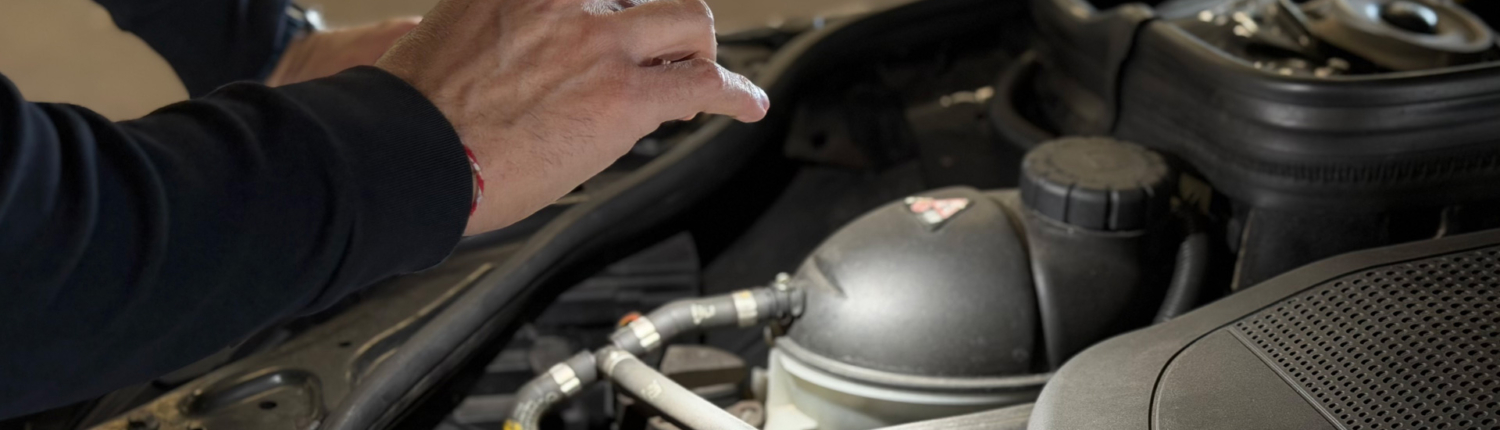
The Freshly Cleaned Engine Bay – Why a Clean Engine Can Sometimes Be a Warning Sign
Why a Clean Engine Can Sometimes Be a Warning Sign
Many buyers are pleased when they see a spotless engine bay while inspecting a car. At first glance, the vehicle looks well cared for and properly maintained.
However, a freshly cleaned engine bay can sometimes have another reason.
Why Engines Are Sometimes Cleaned
A clean engine bay can of course simply mean that the owner has taken good care of the vehicle. In some cases, however, the engine bay is cleaned shortly before the sale in order to hide certain traces.
For example:
- oil traces on the engine or transmission
- coolant residue
- old leaks
- dirt around seals
After a thorough cleaning, such signs are often no longer visible at first.
What to Look Out For
If the engine bay looks unusually clean, it is worth taking a closer look.
For example, pay attention to:
- damp areas around hoses or seals
- cleaning residue in hard-to-reach areas
- heavy use of shine products on plastic parts
- unusual smells from cleaning products
Sometimes possible leaks only become visible after a test drive.
Tip
An engine bay does not need to be perfectly clean.
A slightly dusty but dry engine is often a good sign.
An overly shiny engine bay, on the other hand, can be a sign that everything was thoroughly “tidied up” shortly before the sale.